
7 Questions to Ask Jewelry Designers
Finding the perfect piece of fine jewelry is a deeply personal journey. Whether you are searching for a custom engagement ring, a milestone anniversary gift, or a unique statement piece, the professionals you collaborate with will make all the difference. Many individuals turn to independent jewelry designers to bring their specific visions to life, as these artisans possess the technical skill and creative insight required for bespoke creations. However, selecting the right artisan requires careful vetting to ensure your expectations align with their capabilities.
Embarking on a custom design journey can feel overwhelming if you do not know what to expect. Asking the right questions upfront protects your investment and ensures a smooth, enjoyable process from the initial sketch to the final polish. Before you commission your next piece of wearable art, sit down with your prospective creators and ask these essential questions to guarantee a successful partnership.
1. What Is Your Signature Design Style?
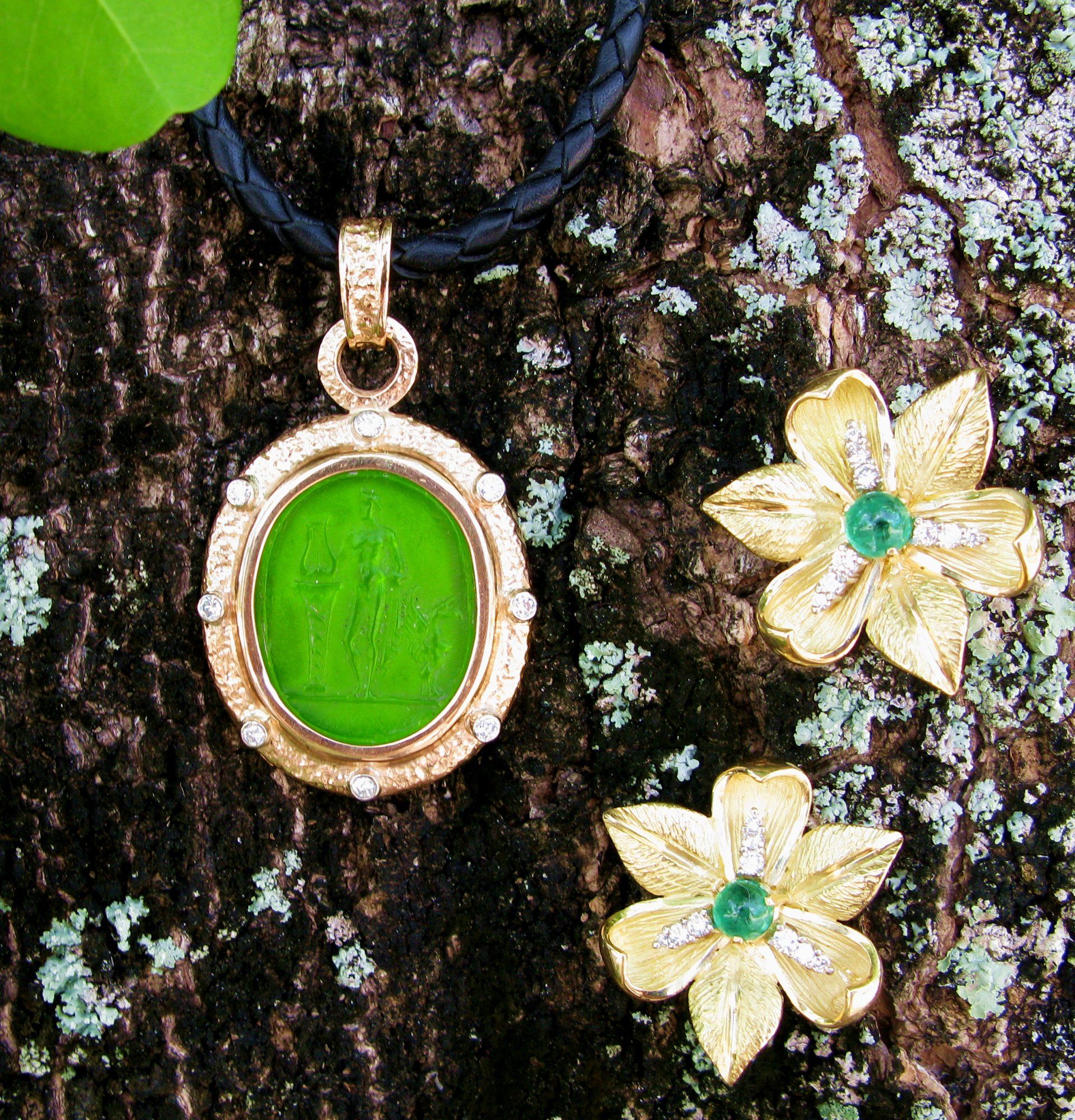
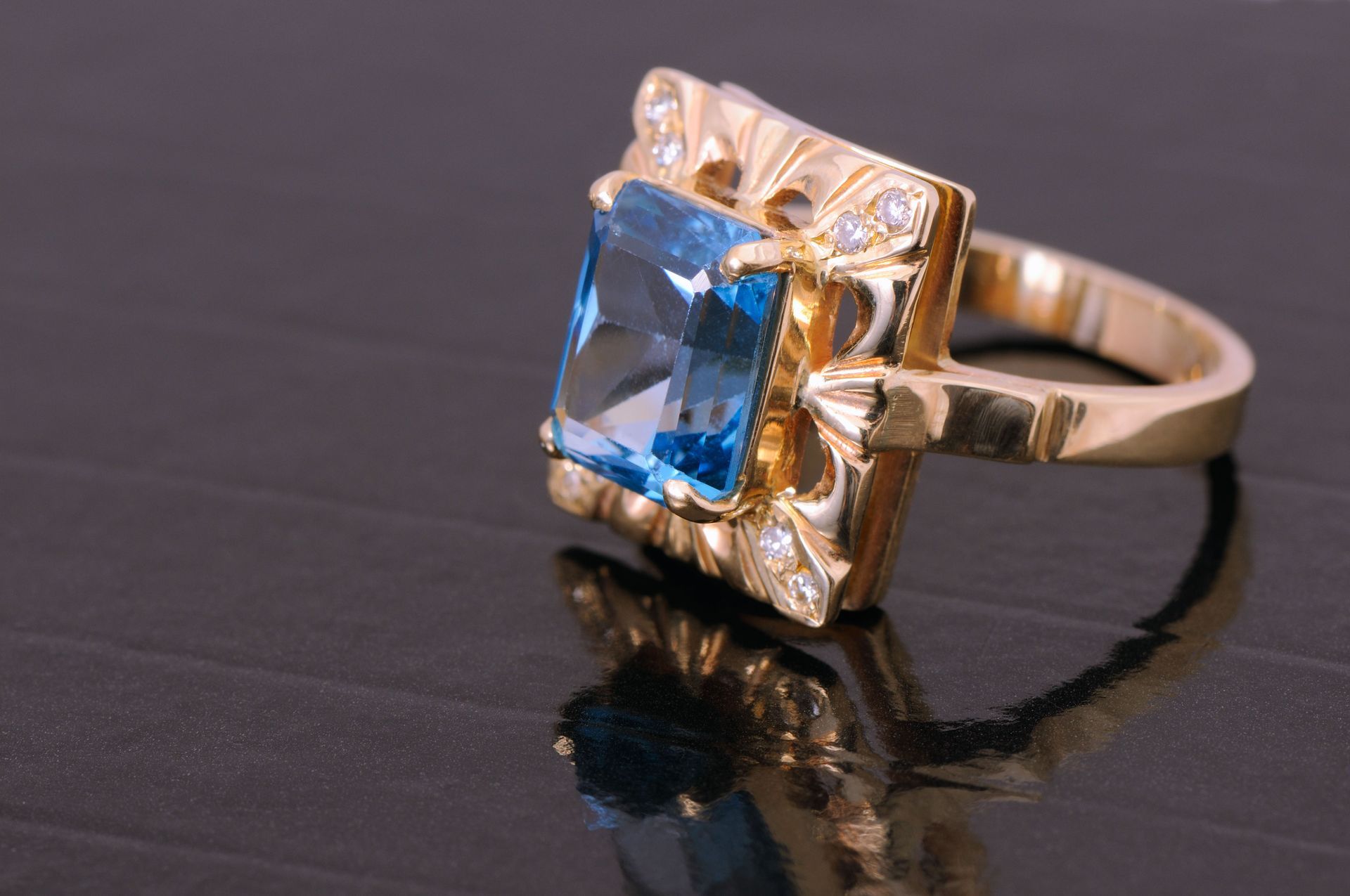
Every artist has a unique aesthetic voice that defines their work. Some creators specialize in ultra-modern, minimalist geometric shapes, while others focus on intricate vintage filigree or organic, nature-inspired forms. When meeting with jewelry designers, it is vital to review their existing portfolio to see if their aesthetic aligns with your personal taste. If you desire a sleek, contemporary tension-set diamond ring, an artisan who works exclusively in rustic, hammered yellow gold might not be the ideal fit.
Discussing their style signature helps you understand where their passions lie. Artisans excel when they work within their creative comfort zone. While many talented jewelry designers are versatile enough to adapt to various requests, choosing someone whose natural style mirrors your vision will yield the most spectacular and authentic results.
2. How Do You Source Your Gemstones and Metals?
The materials that go into your piece are just as important as the design itself. In the modern luxury market, consumers care deeply about the origins of their precious stones and metals. Inquire about where the artisans obtain their diamonds, colored gemstones, and precious metals. Responsible sourcing practices are standard for reputable jewelry designers who prioritize environmental conservation and fair labor practices throughout their supply chain.
This conversation also opens the door to discussing material options that fit your budget and lifestyle. For instance, you can ask if they offer lab-grown diamonds as an alternative to mined gems, or if they work with recycled platinum and gold. Understanding the pedigree of the components ensures that your custom piece aligns with your personal values and meets high quality standards.
3. Can You Incorporate Heirloom Materials Into a New Design?
Many clients seek out custom jewelry designers because they inherit sentimental pieces that do not fit their personal style. Repurposing family heirlooms is a beautiful way to maintain sentimental value while creating something wearable and modern. However, working with existing jewelry requires specific expertise, as old settings can be fragile and certain gemstones may have hidden damage.
Ask the artisan if they have experience resetting family diamonds or melting down old gold to create fresh bands. Experienced jewelry designers will carefully evaluate your heirloom items to determine if the stones are stable enough to withstand the resetting process. They will also explain the risks involved and help you brainstorm creative ways to honor the original sentiment of the piece in a fresh, contemporary structure.
4. What Does the Custom Design Process Look Like?
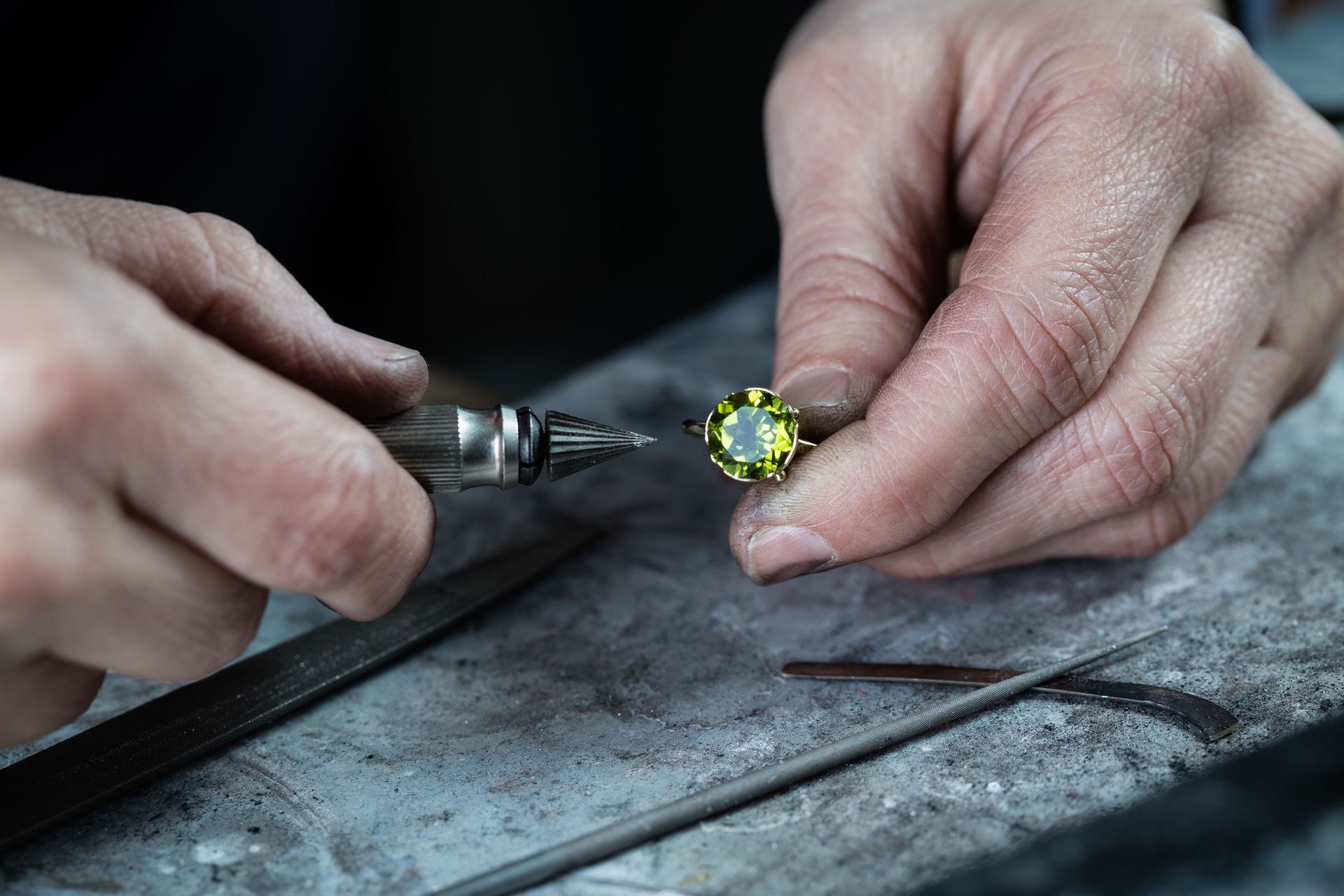
The journey from an initial concept to a finished piece of jewelry involves several distinct phases. You need to know exactly what to expect at every step of the timeline. Typically, the process begins with a consultation and initial sketches. From there, many contemporary jewelry designers utilize Computer-Aided Design software to create digital three-dimensional models, followed by physical wax patterns that you can try on for scale.
Understanding this workflow allows you to see how much input you will have throughout the production cycle. It is important to know whether you will receive multiple design iterations to choose from and at what points you can request revisions. Clear communication regarding the approval stages prevents misunderstandings and ensures the final physical piece matches the image in your mind.
5. What Is the Expected Timeline for Completion?
Crafting fine jewelry by hand takes time, and production schedules can vary wildly depending on the complexity of the piece and the artisan's current workload. You must establish a clear timeline early on, especially if you need the item for a specific occasion like a wedding, graduation, or holiday. Hurrying the creative process can compromise the structural integrity of the final piece.
According to The Knot, it is recommended that couples start to customize engagement rings at least eight to ten weeks before the planned proposal, especially for a more elaborate design. This recommendation highlights just how much labor goes into bespoke production. Asking jewelry designers about their current lead times ensures that you can plan your milestone events accordingly without unnecessary stress or rushed deadlines.
6. How Do You Handle Pricing and Payment Structures?
Bespoke luxury items are significant financial investments, making transparency around costs absolutely essential. Before any physical work begins, request a detailed breakdown of the pricing structure. Custom pricing typically accounts for the cost of raw materials, gemstone carat weights, casting fees, labor hours, and design revisions. Knowing how these factors influence the final price helps you manage your budget effectively.
Additionally, ask about the payment schedule. Most independent jewelry designers require a non-refundable deposit upfront to cover the cost of materials and initial design work, with the remaining balance due upon completion. Clarifying these financial expectations before signing a contract prevents surprises and establishes a professional foundation for the entire project.
7. How Do You Handle Appraisals and Insurance Documentation?
Fine jewelry is a significant investment, both emotionally and financially. Once your custom piece is complete, you need to ensure it is properly protected against loss, theft, or damage. Independent
jewelry designers often provide the necessary documentation you will need to secure an insurance policy, but it is important to clarify this policy before production begins.
Inquire if the creator provides an official retail replacement appraisal upon delivery of the item. This document should detail the metal type, gemstone quality factors, and the verified retail value of the piece. Knowing whether this service is included in your initial quote or if it requires an additional fee allows you to seamlessly protect your new asset the moment it leaves the studio.
Selecting the right artisan to create a custom piece of jewelry is an investment in creativity, quality, and storytelling. By asking these questions, you gain a clear understanding of the craftsmanship, sourcing, and timeline involved in bringing your dream to life. A collaborative partnership with a skilled creator transforms the design process into a memorable experience, resulting in a stunning piece of wearable art that you will cherish for a lifetime.
If you are ready to begin your custom design journey, Jose Aragon Jewelers is here to assist you. Located in Naples, FL, our team brings exceptional craftsmanship and personalized attention to every custom creation. We invite you to collaborate with us to design a piece that perfectly reflects your personal style. Contact us today to schedule your private design consultation and take the first step toward creating your next heirloom.



Share On: